
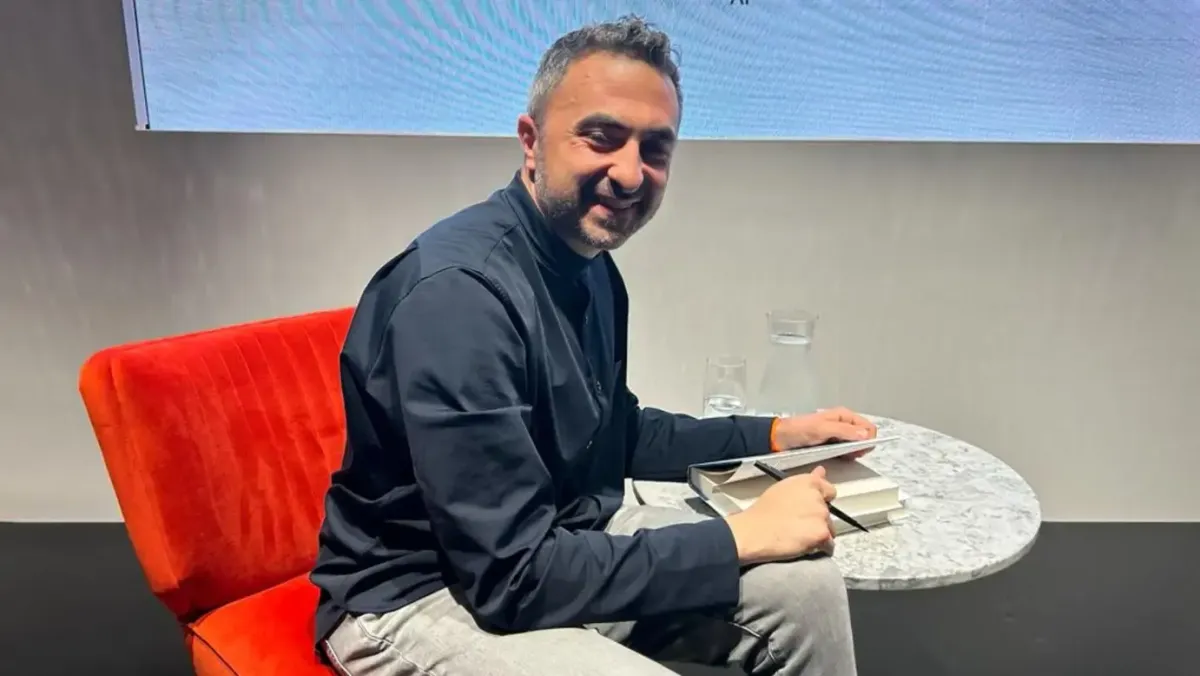
Microsoft’s artificial intelligence leadership is observing a shift in how people interact with chatbots, not just as tools for work or information, but as spaces for emotional release. Speaking on a recent podcast, Mustafa Suleyman, CEO of Microsoft AI, said a growing number of users are using conversational AI to talk through personal thoughts, frustrations, and everyday emotional strain.
Suleyman described chatbot interactions as a way for people to “offload” feelings and mentally reset. The conversations, he said, are often informal, repetitive, and deeply personal, offering users a judgment-free environment to express what they may not feel comfortable sharing elsewhere.
From Productivity Tool To Emotional Companion
Early consumer chatbots were positioned as assistants for writing, research, coding, and task automation. Over the past two years, however, usage patterns have expanded. According to Suleyman, many people now engage with AI systems in moments of stress, uncertainty, or emotional overload.
Rather than framing chatbots as therapeutic tools, he emphasized that these interactions sit closer to emotional ventilation than structured mental health care. Users are not seeking diagnoses or treatment, but space to articulate thoughts, ask difficult questions repeatedly, and feel heard without social pressure.
This evolution reflects how conversational AI systems, trained to respond with empathy and clarity, are increasingly perceived as approachable listeners. Their availability and neutrality appear to be central to why users turn to them during emotionally charged moments.
Context Inside A Longer Tech Trajectory
The idea of technology acting as emotional support is not new. Meditation apps, journaling platforms, and mental wellness software have grown steadily over the past decade. AI chatbots extend this lineage by offering real-time, conversational interaction rather than static prompts or exercises.
Suleyman’s comments arrive as AI companies continue to refine tone, safety boundaries, and conversational depth. Since joining Microsoft after co-founding Inflection AI, Suleyman has focused on how AI systems interact with people at a human level, including trust, safety, and emotional nuance.
This discussion also sits alongside wider debates about the psychological effects of persistent AI interaction. Researchers and clinicians have noted both short-term relief and potential long-term concerns when users rely heavily on digital companions instead of human relationships.
Where Responsibility And Design Intersect
Suleyman acknowledged that AI is not a replacement for human connection or professional mental health support. He framed emotional chatbot use as one layer within a broader social environment, not a substitute for it.
For companies building these systems, the trend places added responsibility on design choices. How chatbots respond to vulnerability, distress, or emotional dependence now carries greater weight than when AI was limited to transactional tasks.
The broader implication is not about predicting where users will take AI next, but recognizing how people are already using it today. As conversational systems become more capable and more present in daily life, their role in emotional expression is no longer incidental. It is part of the real-world context in which AI now operates.