
WaterSense, a water monitoring startup, has secured €5.75M from grants and a pre-seed round, an early funding round that usually comes before steady sales. It will use the money to expand its water quality monitoring across Europe. b2venture and Movens Capital co-led the round, and vastpoint also invested. The split between grants and equity was not disclosed.
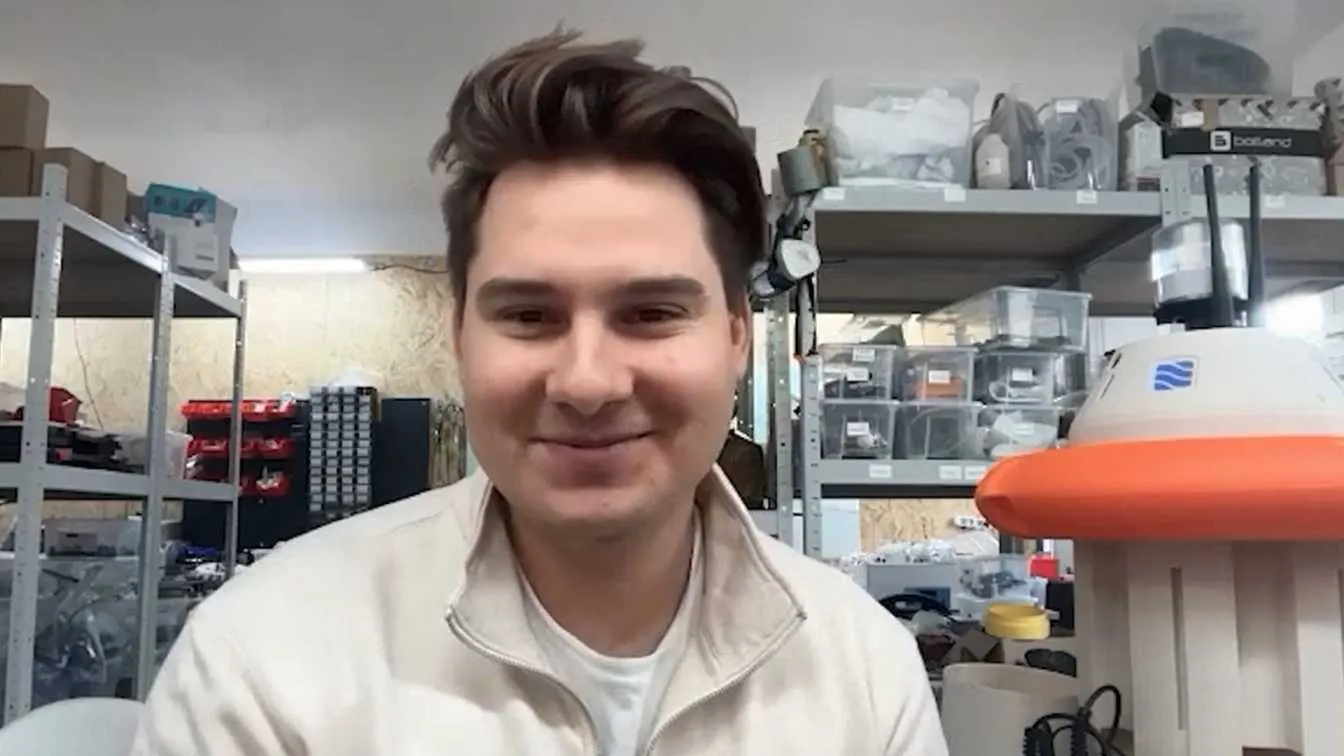
Founder and chief executive Filip Budny developed the core technology during his PhD at Warsaw University of Technology. WaterSense sells to industrial operators, water utilities and public authorities. Its website lists Warsaw’s water utility, the City of Warsaw and the Austrian town of Kitzbühel among the organisations that work with it.
Why Water Testing Is Slow
Most water testing still relies on staff collecting samples and sending them to a laboratory. Results can take several days and show conditions at only one place and time.
The cost of missing it can be high. In the summer of 2022, about 360 tonnes of fish died in the Oder river, which runs through Poland and Germany. The European Environment Agency says a toxic algal bloom was the main cause, helped by salty water that probably came from industrial discharges.
The EU has also put water higher on its agenda. In June 2025, the European Commission published a Water Resilience Strategy which aims to ensure water security and prepare Europe for water-related disasters.
How WaterSense Works
Sensors left in water tend to get coated in algae and bacteria, a problem known as biofouling, which degrades their readings. WaterSense says it gets around this by using hundreds of small, low-cost printed sensors that are replaced automatically each day.
According to its website, its floating WaterStation units run mainly on solar power, take samples at up to three depths and measure every 10 minutes. They track more than 25 measures of water quality, including acidity, nitrate, ammonium, dissolved oxygen and conductivity.
A cloud platform, WaterCloud, brings these readings together with satellite data. WaterSense says its deep learning models, a type of AI that learns patterns from large amounts of data, forecast changes in water quality up to 72 hours ahead. The company adds that AI agents send alerts and suggest responses.
Customers pay for a steady stream of data rather than building their own monitoring systems, a model known as data-as-a-service. WaterSense says it monitors more than 80 locations for more than 30 customers in four countries, from Alpine lakes in Austria to city water systems.
Next Stop: The Oder
WaterSense plans to use the funding to cover more European rivers, lakes and water systems, moving from single sites towards monitoring whole water networks. A full rollout along the Oder river is planned as one of its next major steps. It also plans to improve its data systems, forecasting models and decision tools.
Other startups are applying sensors and AI to water too. Startup Aqura Systems, for example, uses a robot with imaging and AI to check fish farm water for harmful algae.
In short, WaterSense pairs low-cost sensors replaced each day with AI forecasts, offering water managers continuous readings in place of occasional lab samples. With the new funding, it aims to take that approach from individual sites to whole river systems, with the Oder among the first.