

Aqura Systems, a Scottish company building technology for aquaculture (fish farming), has raised £2.1M for MIAbot, a robot that uses imaging and AI to check fish farm water for harmful organisms. Archangels, an Edinburgh angel investment group, led the round. Scottish Enterprise, Scotland’s national economic development agency, also invested.
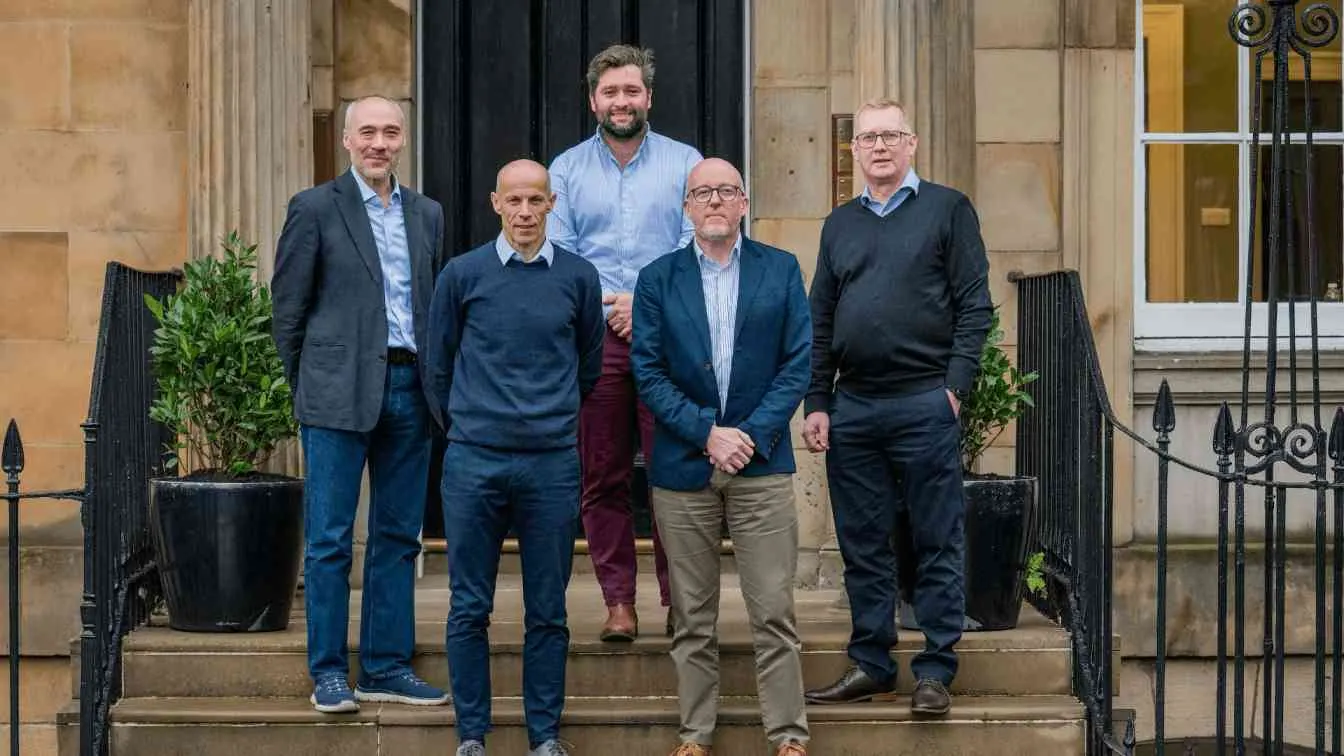
Chris Hyde, the chief executive, founded the company with Steve Ball and Gareth Hammond.
Aqura has also appointed Charles Høstlund, a veteran of the Norwegian salmon farming industry, as chair as it prepares to sell abroad. Aqura did not disclose the stage of the round.
Why Algae Matter To Salmon Farms
Phytoplankton are tiny algae that drift in seawater. Some species can multiply quickly to form blooms, and harmful plankton can cause “significant damage to the gills of farmed fish”, according to a Scottish aquaculture research project funded by the Sustainable Aquaculture Innovation Centre.
Many fish farmers still check for these threats by taking water samples by hand and examining them under a microscope. Aqura says that approach is slow, infrequent and prone to error, which makes it hard to spot risks early.
The stakes are high for Scotland. Scottish salmon exports reached a record £828M in 2025, according to HMRC figures, keeping salmon the UK’s top food export. “Globally, aquaculture is a £371 billion industry, but many of its processes are still manual, so there’s a huge opportunity to harness technology to improve fish health and increase efficiencies,” Hyde said.
How MIAbot Works
MIAbot is a robot that runs without staff on hand, testing water at several depths and spots across a farm. Aqura says its own imaging system and AI identify each microorganism’s species, measure how many there are and record depth and water-quality data.
The robot currently focuses on phytoplankton that form algal blooms. Aqura is also developing detection for three more threats. These are micro jellyfish, sea lice (parasites that feed on salmon) and amoebae (single-celled organisms that can infect fish gills).
The company says a steady flow of data lets farmers act before problems grow. Aqura is testing MIAbot with several large Scottish salmon producers, which it has not named. “The early reception and testing of MIAbot with industry has been very positive,” Hyde said.
Others are working on similar early warnings. A research project led by Scottish Sea Farms has used an automated imaging instrument and AI to monitor plankton at a salmon farm in Shetland. Its partners include Mowi, Bakkafrost and Scottish research bodies SAMS, UHI Shetland and the University of Aberdeen.
What The Money Pays For
Aqura plans to use the funding to build larger datasets for training its AI, run more tests and refine the technology.
The money will also help Aqura prepare MIAbot for commercial sale and for markets outside the UK.
Aqura wants regular automated water checks to replace slow manual sampling on fish farms. Its new funding and chair are aimed at taking that approach beyond its Scottish pilots.