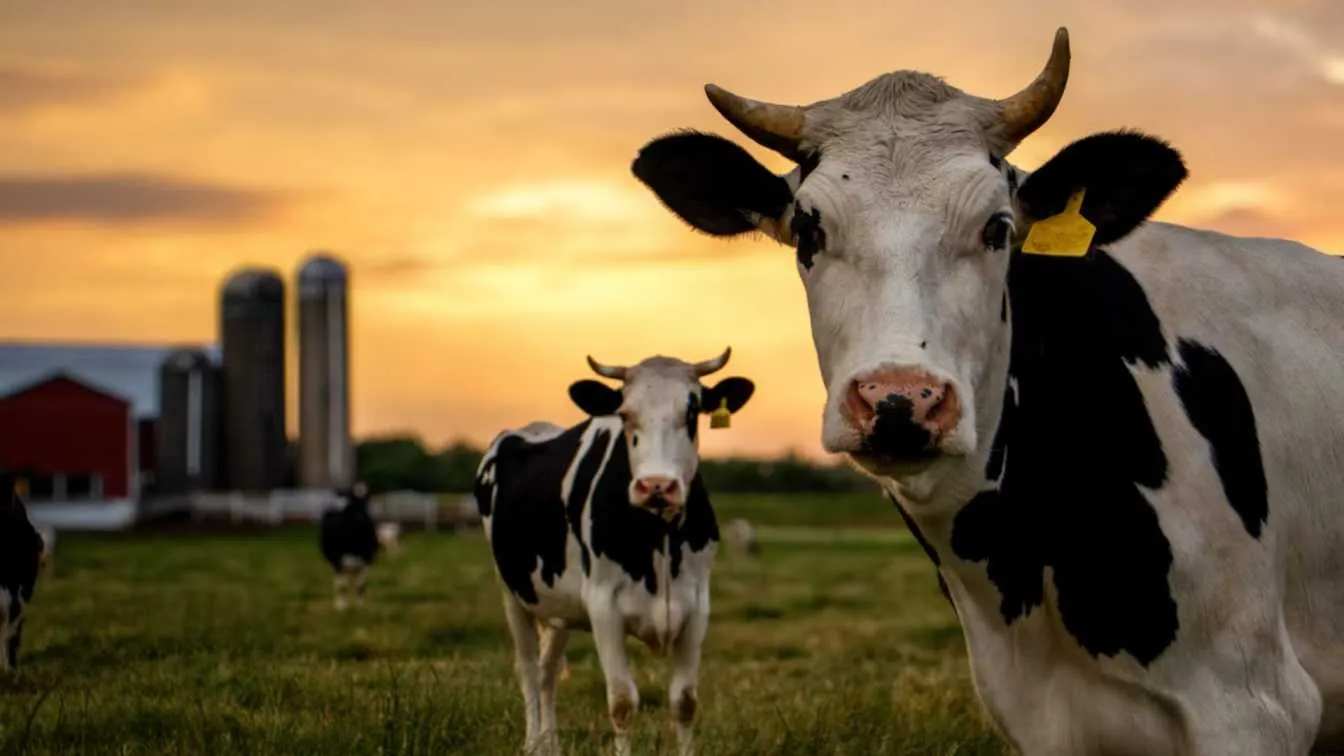
A new cattle ear tag built for Brazilian ranches does more than tell a farmer where the herd is. Because each animal reports its own location, the data can also follow cattle that have been pledged to a bank as security for a loan, giving lenders a way to check on collateral that walks around a pasture.
The tag was shown at Futurecom 2026, the telecoms trade show in São Paulo. Quectel, the cellular module maker, designed and built it; Acceleronix supplies the eSIM connectivity and the software that manages the devices; and iBOI, a herd management software company, runs the platform ranchers use to see the data.
“Livestock farmers need to know how many animals they have, where they are,” said Felippe Antonelle, iBOI’s executive vice president. He said the same method extends to credit, “allowing banks to follow the animals used as collateral.”
What The Tag Tracks
Each tag combines GPS with a temperature sensor, a step counter and an RFID chip, the short-range identification used in standard livestock tags. It sends its readings over a cellular network through an eSIM, a SIM built into the device that can be set up remotely, so the tag works across a ranch without the farmer installing gateways or other radio equipment.
On the iBOI platform, that feed becomes a live inventory. Ranchers see which animals entered or left the property, how they moved between paddocks and pastures and how long they spent in each. They can draw virtual fences around grazing areas on a map and get an alert when an animal crosses one. The platform also flags escapes, animals that stop moving, unusual behaviour and temperature changes that may point to illness.
The platform also reports weight gain, body condition and herd health, and gives herd figures in arrobas, the traditional unit of about 15 kg that Brazilian cattle markets use for pricing. Records can be kept for each animal or for a whole lot.
Quectel’s challenge was fitting all of that into something small enough for a cow’s ear. “A GPS ear tag requires a careful trade-off between size, positioning, cellular performance and battery life,” said Ricardo Simon, the company’s regional sales director. The companies have not published the tag’s battery life, weight or the type of cellular network it uses.
Planned For Years In The Field
A tag that stays on an animal for years needs its connection planned from the start, and Acceleronix sets up the eSIM while the tag is still on the production line. “Connectivity has to be planned for the full life of a device, and that starts on the production line,” said Artur Couto, the company’s head of sales for Latin America.
Acceleronix’s device management software, ACX Core, works on whichever mobile network the tag ends up on, so a ranch or a bank is not tied to one operator for the life of the herd. Control over switching an eSIM’s operator over the air is contested across the IoT industry, and Morning Tick has covered the battle over who controls the IoT SIM.
The tags talk to the platform using Lightweight M2M, a standard protocol for managing small connected devices. It keeps the data each tag sends to a minimum while still reporting the tag’s health, signal and battery level, which matters on a device that cannot be plugged in to charge.
Cattle As Trackable Collateral
The banking use is what sets the tag apart from a standard herd tracker. Brazil is one of the world’s largest beef producers, and a lender that accepts cattle as security needs to know the pledged animals are still there and healthy and have not been sold. A tag that reports each animal’s location and condition gives the bank a record it can check without sending someone to count heads. The companies have not said which lenders, if any, have signed up.
Brazil has become a testing ground for cellular IoT at scale, from water utilities to farms. The São Paulo water company Sabesp has put eSIMs into 4.4 million water meters, while ranches in areas without mobile coverage have looked to satellite-backed LoRaWAN instead. A cellular tag depends on signal across the pasture, and the companies have not said how it copes where coverage runs out.
Quectel, Acceleronix and iBOI have given no price and no date for wider sale, and they describe the tag as built for Brazil first, with plans to take it to other countries. The partners have not said how many tags are in use on ranches today.
Ear tags began as a way to identify an animal, and GPS added a way to find one. iBOI’s plan ties that data to loans, turning each animal into a tracked asset. Whether Brazilian lenders adopt the approach will decide if it spreads to other markets where cattle serve as security for credit.