
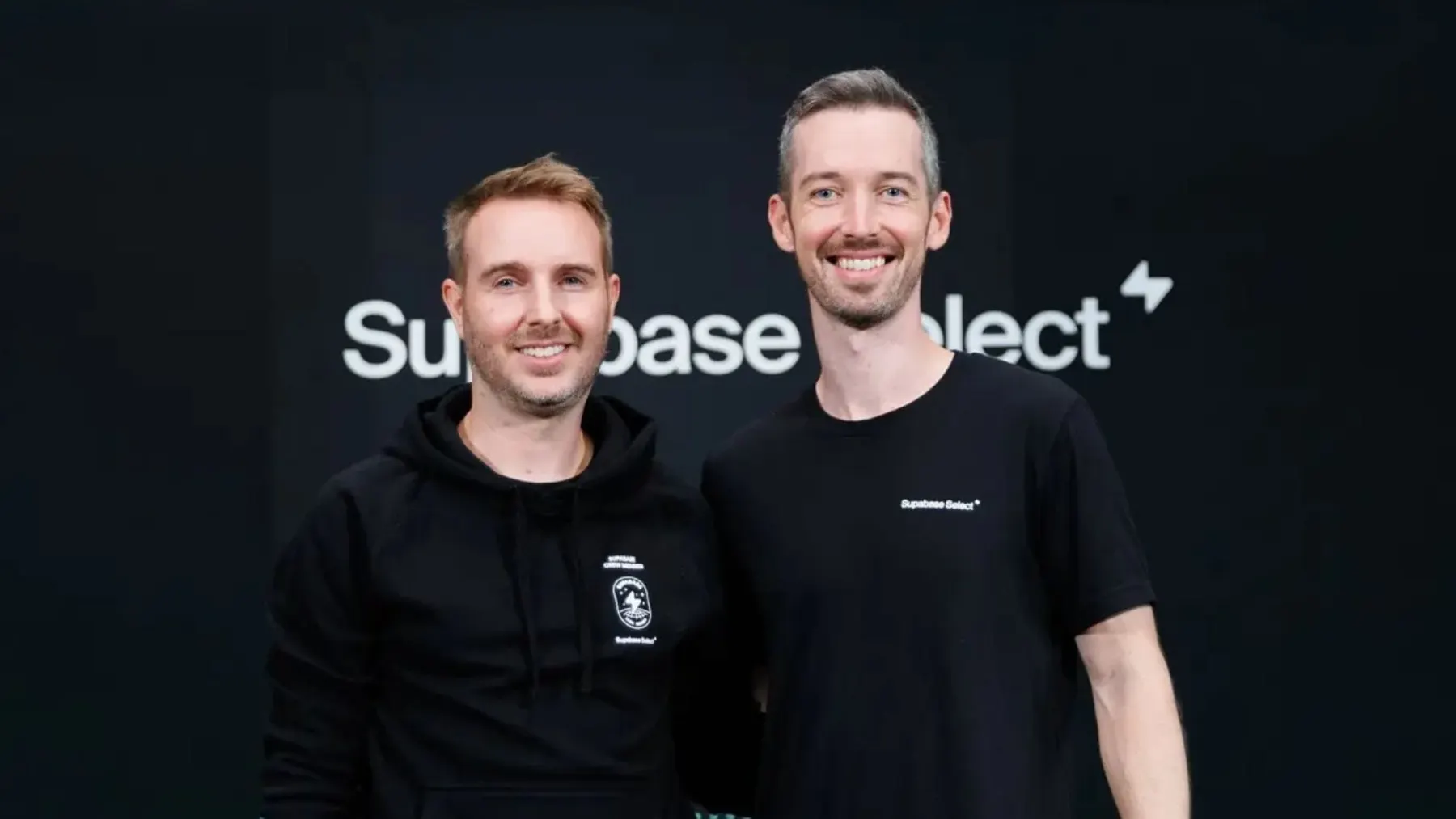
Supabase has raised $150M in growth equity and agreed to acquire the database company Turso, in a pair of announcements on 2 October aimed squarely at the volume of databases that AI agents are now creating. The round values the company at $10.65B and was led by Singapore's sovereign fund GIC, with CapitalG, IronArc and SquarePeg taking part.
The scale behind it is the reason for both moves. Supabase says more than 13M developers now use it as the backend for their applications, that it adds over 1M users and 4M databases a month, and that 70% of new databases are created by agents or AI-driven tools rather than by people.
The money arrives four months after a $500M round in June that set the valuation at $10.5B. The new price is less than 2% above that, and a Form D filed with the US Securities and Exchange Commission in September points to an extension of the same raise rather than a fresh markup, with part of the proceeds going to employee liquidity.
What Turso Brings
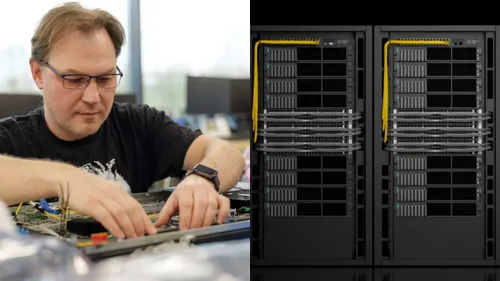
Turso rewrote SQLite from scratch in Rust as an open-source project, removing the single-writer limit that made the original awkward for server workloads, and built a cloud service on a diskless architecture that keeps the write-ahead log in object storage. The practical result is that one server can host millions of databases, loading each when it is needed and suspending it when it is idle.
That is a different shape from Supabase's own product, which hands each project a dedicated Postgres database. Terms were not disclosed. Turso founder Glauber Costa and co-founder Pekka Enberg join Supabase with their team, Costa leading its agentic infrastructure work, and Turso continues to run as it is with its database staying open source.
"From the start of our journey, I've had a goal to serve upwards of a billion databases to our customers," Costa wrote in Turso's own announcement. Existing users keep their databases and APIs, with an upgrade path into Postgres when SQLite stops being enough.
Why A Second Engine Rather Than More Postgres
A database per project and a database per agent are different problems. An agent spinning up a prototype needs storage that exists in milliseconds, costs close to nothing while nothing is happening, and can be discarded without anyone deprovisioning a machine.
Supabase says it is already launching more than 1M databases a week, which is where the economics start to bite. Teams including Superhuman, Sauna.ai, CTO.new and Mastra are named as already running a separate database for each agent, either on Turso's cloud or inside their own.
Isolation is the other half of the argument. Giving each agent its own store rather than a shared schema limits what a misbehaving or compromised agent can reach, which is the same containment logic that applies wherever agents are given access to systems that matter.
The Growth Is Real, The Revenue Is Unstated
Supabase disclosed no revenue figure at this round and none at the last one, so the valuation rests on usage. Database launches were up 600% year on year in June, the developer base has roughly doubled in eight months, and the agent-created share of new databases has moved from 60% in June to 70% now.
One line in the June coverage deserves attention from anyone reading those numbers. Anthropic's Claude Code was the single largest source of new databases on the platform since the start of the year, which ties a meaningful share of growth to one external product.
The harder question is what an agent-created database is worth. Figures from Neon, the serverless Postgres company Databricks bought for around $1B in May 2025, showed AI-created databases climbing from 30% to 80% of new instances while skewing towards short-lived experiments rather than production workloads. A database an agent creates for a prototype and abandons is a cost to serve, not a customer.
Turso's architecture is partly an answer to exactly that. If idle databases cost almost nothing to keep, a long tail of abandoned ones stops being a problem and starts being an option on whichever few turn into real applications.
What Companies Building With Agents Should Take From It
Per-agent state is settling into a standard pattern, and the infrastructure market is now organising around it. Databricks took Neon, Supabase has taken Turso, and the serverless Postgres and SQLite companies that were independent two years ago increasingly are not.
For teams deploying agents, the questions are practical. Where do these databases physically live, and does that satisfy the data residency terms already signed. What deletes them when an agent finishes, and who is billed for the ones nobody deletes. Whether the database an agent created during development becomes the one running in production, and what review that gets if it does.
The answers matter more as agents gain write access to real systems, a progression visible across every integration layer from connectors and protocols to the storage underneath them.
A Bet On Volume Becoming Value
Supabase has bought the technology to serve enormous numbers of small databases cheaply, which is the right asset if agents keep creating them at the current rate. The company is clear about what it is betting on, and the metrics it publishes are usage metrics because those are the ones moving.
What the next round will have to show is conversion. 4M new databases a month is a remarkable number, and it only becomes a business if a meaningful share of them outlive the agent that made them.