
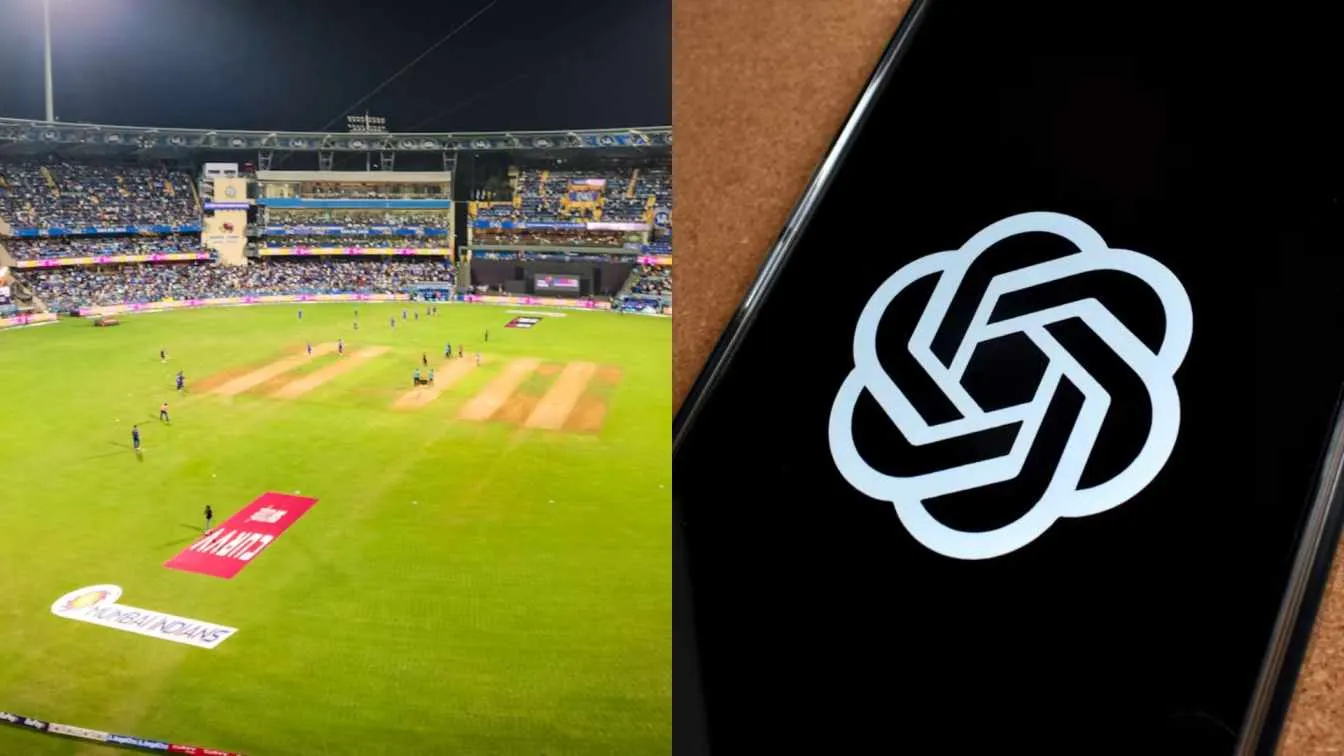
OpenAI has signed Sachin Tendulkar, the retired batsman who holds cricket's record for international runs and remains among the most recognised figures in Indian public life, to a multi-year partnership built around showing people what they might do with ChatGPT. The company announced the arrangement on 28 September, describing content, campaigns and experiences covering learning, developing ideas and working through problems.
Tendulkar's part is to talk about his own use of the assistant, and the examples given are deliberately ordinary: preparing a speech, researching a golf course, looking up ideas for customising a car, finding inspiration for cooking. A teaser opened the campaign with him asking ChatGPT to work out who he is from ten questions, and videos made with the creator Varun Mayya follow.
"Much of my learning starts with a question," Tendulkar said. "With ChatGPT, I can keep asking, build on an idea and explore something at my own pace." Prabhjeet Singh, OpenAI's managing director for India, framed the partnership around AI helping people do things that might previously have felt out of reach.
India Supplies The Users
The market behind the campaign is already enormous for OpenAI. Sam Altman told an audience in New Delhi in February that India had reached around 100M weekly ChatGPT users, one in eight of the company's global weekly total at the time, after quadrupling over the preceding year. India is its second-largest market after the United States, and OpenAI says usage there has doubled again year on year, led by writing and communication, education and general information seeking.
Measured monthly, ChatGPT counted around 180M active users in India at the start of this year, ahead of Gemini at 118M, Perplexity at 19M and Meta AI at 12M.
What those numbers have not produced is proportionate revenue. India accounted for roughly 20% of global downloads of generative AI apps while generating about 1% of in-app purchase revenue, in a country where a monthly mobile data plan costs a few dollars and most ChatGPT users sit on the free tier.
The Giveaway Phase Came First
Before the campaigns came the discounts, and every major provider ran one. OpenAI priced ChatGPT Go at ₹399 a month, roughly $4.50, then made it free for a year to new and existing users, alongside support for UPI, the payment system most Indians actually use.
Google took a different route by partnering with Reliance Jio to give 5G subscribers 18 months of its AI Pro tier, reaching customers through a telecom relationship and an Android base that covers the overwhelming majority of Indian smartphones. Perplexity bundled its Pro tier with Airtel plans, a promotion that ran until January.
The pattern those offers produced is visible in the revenue figures. ChatGPT takes more than 60% of India's AI app revenue, and its revenue fell by about a third in each of November and December 2025 as promotional periods expired, which is roughly what happens when paid conversion rests on a free trial rather than a habit.
Familiarity Rather Than Distribution
Seen against that, the Tendulkar partnership addresses a different part of the problem. Telecom bundles and free tiers put an app within reach of someone who already wants it; a figure with Tendulkar's reach across generations and languages speaks to people who have heard of AI without ever having opened an assistant.
The examples chosen support that reading. None of them involve coding, business analysis or anything a technology audience would need persuading about, and all of them describe the kind of small domestic task that gets someone to try a tool a second time.
What OpenAI Has Put In Place Locally
The campaign sits on top of nearly two years of groundwork in the country. OpenAI opened its first India office in Delhi in August 2025 and registered a local entity, published IndQA, a benchmark covering 12 Indian languages, added UPI payments to its billing, and has said it intends to build gigawatt-scale data centre capacity in India as part of its Stargate infrastructure programme.
Each of those addresses a different barrier: a legal presence for enterprise contracts, language coverage for users not working in English, a payment method that works without an international card, and local capacity for latency and data residency.
A Demand-Side Move In A Supply-Side Contest
OpenAI holds the larger user base in India and the larger share of what revenue the market produces, while Google holds the distribution, through Android and through a carrier relationship that reaches hundreds of millions of subscribers directly. Those are different advantages, and they are not competing for the same thing.
A multi-year endorsement deal is a long commitment by the standards of a company that has been in the country for two years, and it points at the part of the market neither free trials nor pre-installed apps have reached: the people who have not tried AI at all. Whether familiarity converts into paying users is the question the next set of quarterly figures will start to answer.