
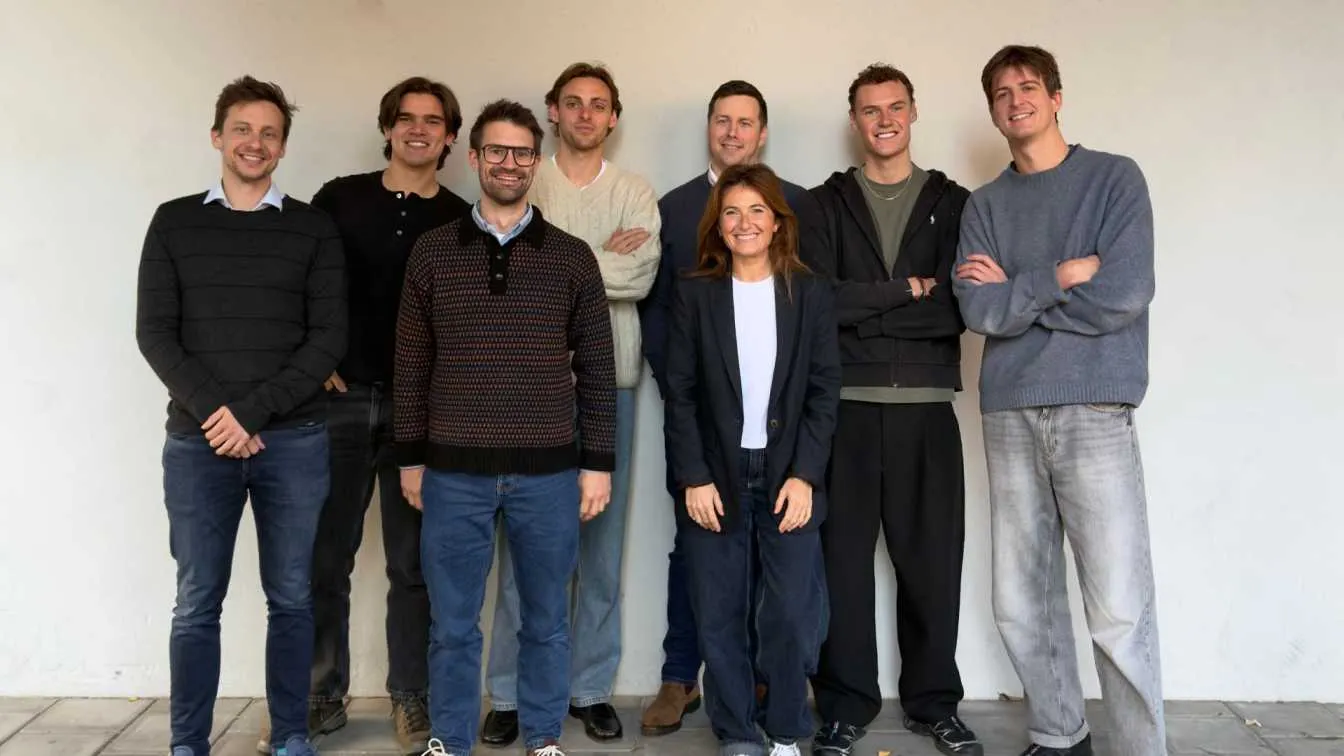
Noah, a startup in Antwerp, Belgium, that maps where AI could help inside large companies, has raised €800,000 from a group of business angels, private individuals who invest their own money in young companies. It plans to grow its team and reach €2 million in recurring revenue by the end of 2027.
The angels include Rudi Deruytter, former chief executive of B-Bank, serial entrepreneur Ben Schrauwen and Nicolas Debray, founder of the Belgium Startup Ecosystem network. Subsidies and a bank loan top up the round. Rudy Aernoudt, founder of the European Business Angels Network (EBAN), and Thierry Geerts, former head of Google Belgium, sit on Noah’s board.
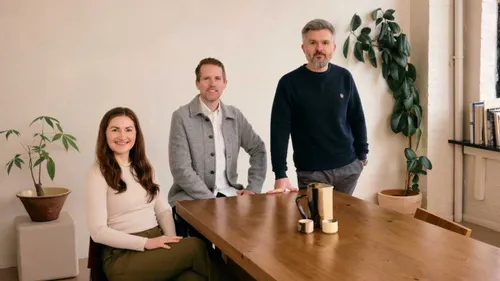
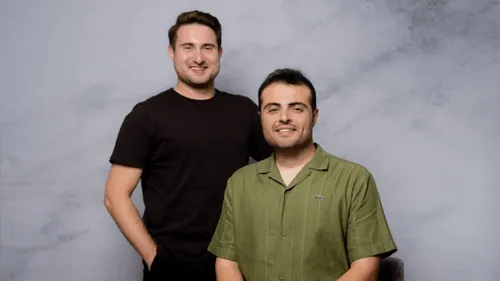
Denis Leysen (chief executive), César Van Leuffelen (chief product officer) and Tom De Smedt (chief technology officer) founded Noah in 2025. Leysen previously spent four years at data consultancy Datashift. Earlier this year, Noah won the Live Pitch Award at the Belgium Startup Awards.
The Gap Between AI Hopes And Proof
Many companies still struggle to show what AI is worth to them. KPMG’s Global AI Pulse is a quarterly survey of more than 2,000 senior business leaders. In its second-quarter 2026 edition, three-quarters of leaders said AI is delivering meaningful value, yet only 7% said they could prove a return on their AI spending.
“Companies simply don’t know where to start. Or they’re sitting on a long list of ideas, and nobody knows what those ideas are actually worth,” Leysen said.
He argues that the usual fixes, bringing in outside consultants or handing the job to an employee, do not fit the need. “That’s expensive and slow, when what companies need is a fast answer,” he said.
How Noah’s AI Interviewer Works
Noah sends an AI interviewer to speak with employees for about 20 minutes each, in any language, the company says. Noah says it can run up to 100 interviews in 24 hours, while a consultant would need about a month for 20. It then blends the answers with market data and, by the following morning, delivers a ranked list of business cases, meaning proposed AI projects with their expected payoff. Each comes with a rough estimate of the time and money saved.
Noah says it keeps those estimates up to date by running follow-up interviews, collecting feedback from staff and pulling in new market data. In a dashboard, transformation managers, the people steering a company’s change programmes, can see which AI uses are running in each team and where they need adjusting. The company says the agent will increasingly support projects from implementation through to follow-up.
Noah wants to be the first system a transformation manager opens, in the way sales teams rely on customer relationship management (CRM) software.
“We want to become the standard system for digital transformation,” Van Leuffelen said.
Larger software companies are working on similar problems. In October, ServiceNow launched AI Workflow Factory, which uses process mining, the analysis of system logs to see how work really flows, to find broken processes. AI agents then rebuild them.
Consulting Fees As The Benchmark
The startup measures itself against consulting firms. It says a project with McKinsey, BCG or Bain can easily cost €1,500 per consultant per day. Noah says it has carried out more than 8,000 interviews, which it calculates would equal more than €12 million in consulting fees at a human consultant’s pace.
At drugmaker UCB, Noah says it mapped the key processes of the quality assurance team in a single week. Supermarket chain Delhaize, Antwerp drinking-water utility Water-link and engineering consultancy Sweco are also clients, according to the company.
The founders plan to put the new money into product development and hiring, with international expansion planned after 2027.
Noah is offering companies a fast answer on where AI could help them. Its AI interviewer does in a day what, by Noah’s count, would take a consultant about a month. Meanwhile, KPMG’s survey shows that most companies still cannot prove what they get back from AI.